God
-
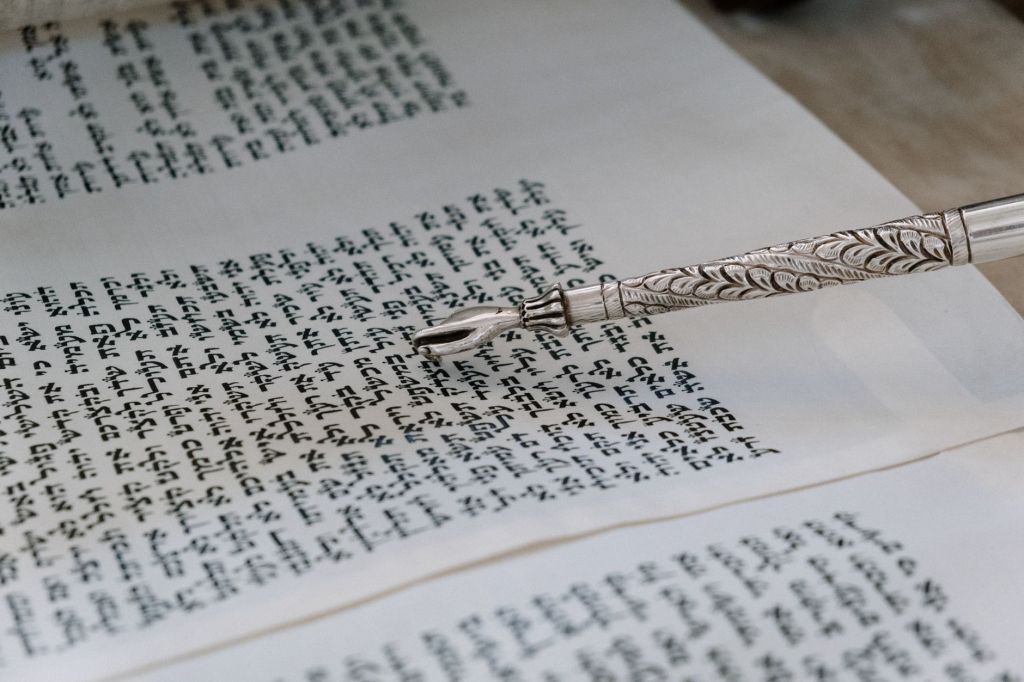
Video Series on the Parsha: Introduction
At the beginning of this year’s Scriptural reading schedule, I am beginning a new video series on the parsha, covering material I have mostly already written about in my blog. This is an effort to get the gospel out as… Continue reading
-
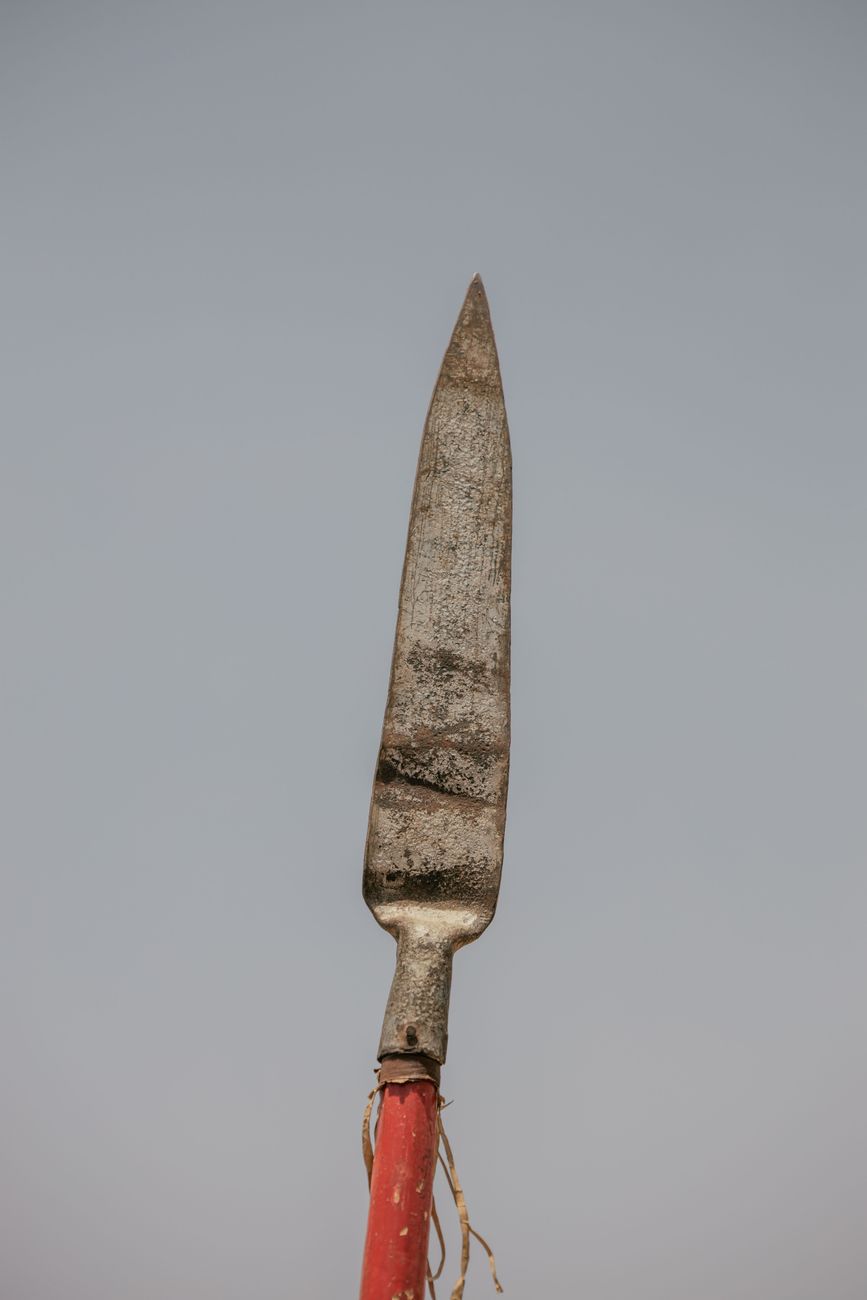
Phineas, Elijah, Messiah, and the Zeal of God
Torah: Num. 25:10-30:1Haftarah: 1 Kgs. 18:46-19:21 Long ago, the Jewish sages created the parsha, a reading calendar to be read annually throughout all the synagogues every Sabbath. They are from the Torah (the first five books of the Bible), and… Continue reading
-
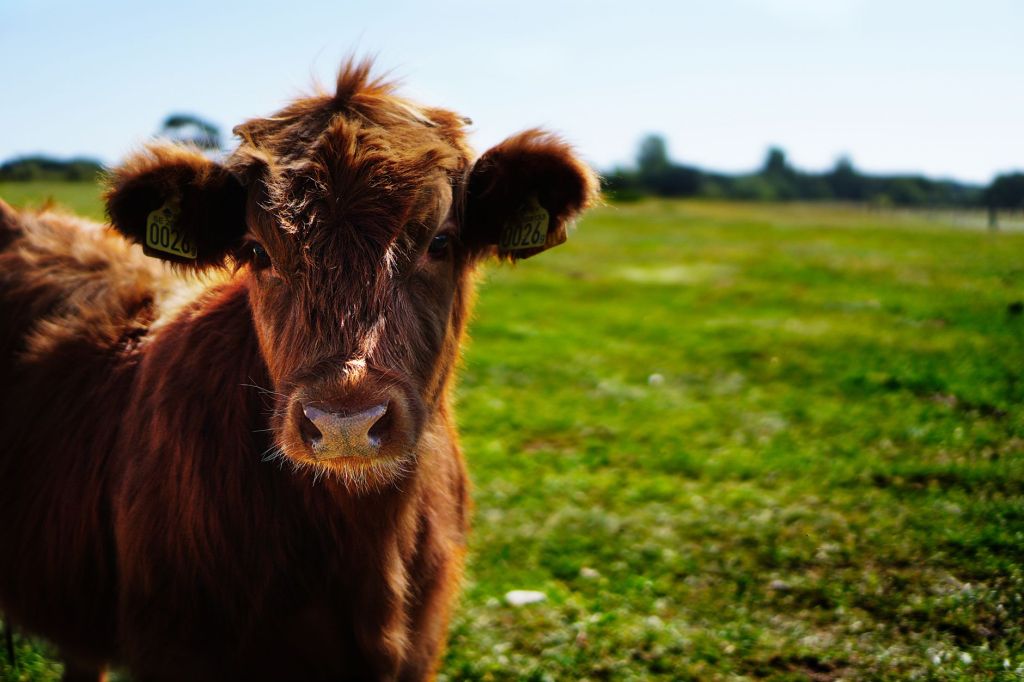
The Red Heifer, the Rock, the Bronze Serpent, Jephthah, the Star, and Messiah
Torah: Numbers 19:1-25:9Haftarah: Judges 11:1-33Micah 5:7(6)-6:8 I am resuming my series on Messiah in the Parsha again. We’re going to see this year’s reading calendar through, so hang on. Long ago, the Jewish sages created reading calendars to be read… Continue reading
-
Learning to Love: Day 19
For those of you curious about my series on the parsha, I am still continuing it when the reposting of my Learning to Love series is complete. Lord willing, I will be caught up on the parsha by then too.… Continue reading
-
Learning to Love: Day 18
The Guitar I have a set of stringsThat I pick and play along,And if I pick and play along enoughIt turns into a song. I have a melody at heartThat molds into my hand.I read the notes across the pageUpon… Continue reading
-
Learning to Love: Day 17
Dreams Daydreams never grow oldNo matter how many times toldFrom generation to generationThrough stories of the ideal.I’m waiting for its incarnationSo my dreams can become real,But if there be no good in themIn the end God can see,Then let them… Continue reading
-
Learning to Love: Day 16:
Easter I saw myselfUgly, bleeding, upward pleading,Finding no reply–No comfort, no rescue, left to die.I looked again and it was Him.So when I kneel before the throneThe Father looks at meAnd sees HimWho paid sin’s debt for me. Love has… Continue reading
-
Learning to Love: Day 14
The Master Gardener My God’s the Master GardenerWho created the world.He fancied flowers, said His say,By which His dreams unfurled.The grasses grew, the bushes bloomed,The Spirit moved the leaves.The Gardener fathered the fruitAnd He supplied the seeds. The spot where… Continue reading
-
Learning to Love: Day 11
Constancy and Change When the sun’s fire pounds on the earthThen rises back from the roadAs I wipe sweat from my brow, When the cicadas play their fiddlesIn the dewy grassAfter dusk has arrived,I seek You.When the sand squirms between… Continue reading
-
Learning to Love: Day 10
Resurrection Had you not lived the perfect lifeTo die for our sins through Your strifeThen risen from the dead,Oh where would mankind be instead?Every deed and everything would beNothing more than vanity.No sun nor moon in its full scopeWould we… Continue reading

