Messiah
-
Messiah in Parsha B’resheet: In the Beginning
For a written copy of the material I cover in this video, and for a list of sources, please see my previous blog post: In the Beginning: Remaking of You. I did reorganize my material, omit a couple of things… Continue reading

-
Video Series on the Parsha: Introduction
At the beginning of this year’s Scriptural reading schedule, I am beginning a new video series on the parsha, covering material I have mostly already written about in my blog. This is an effort to get the gospel out as… Continue reading
-
The Red Heifer, the Rock, the Bronze Serpent, Jephthah, the Star, and Messiah
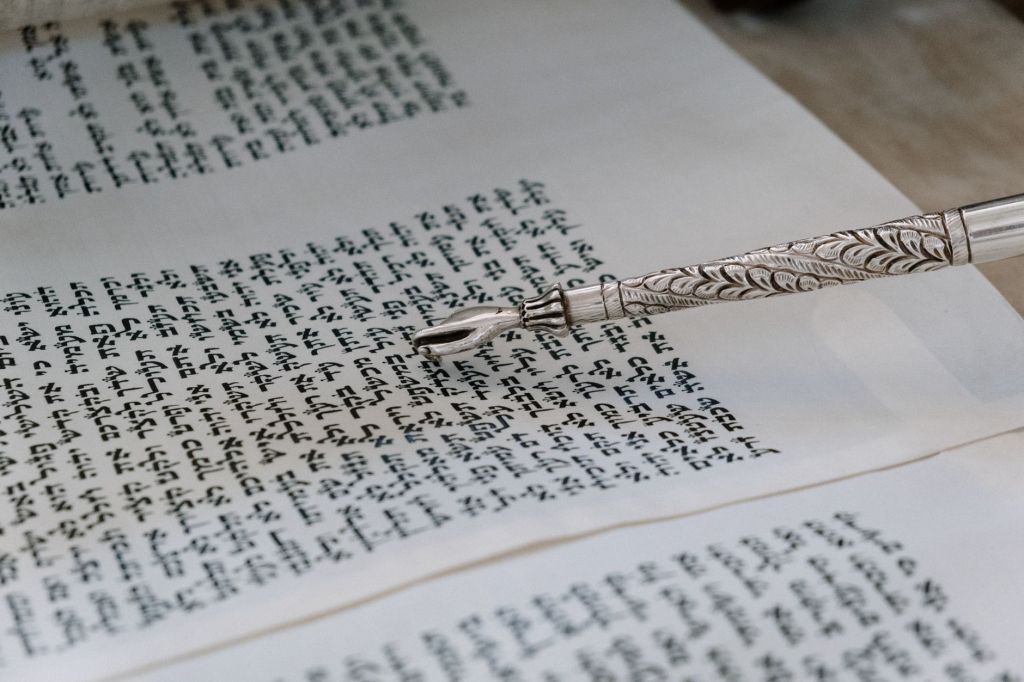
Torah: Numbers 19:1-25:9Haftarah: Judges 11:1-33Micah 5:7(6)-6:8 I am resuming my series on Messiah in the Parsha again. We’re going to see this year’s reading calendar through, so hang on. Long ago, the Jewish sages created reading calendars to be read… Continue reading

-
When You Set up Your Light, Follow His Instructions
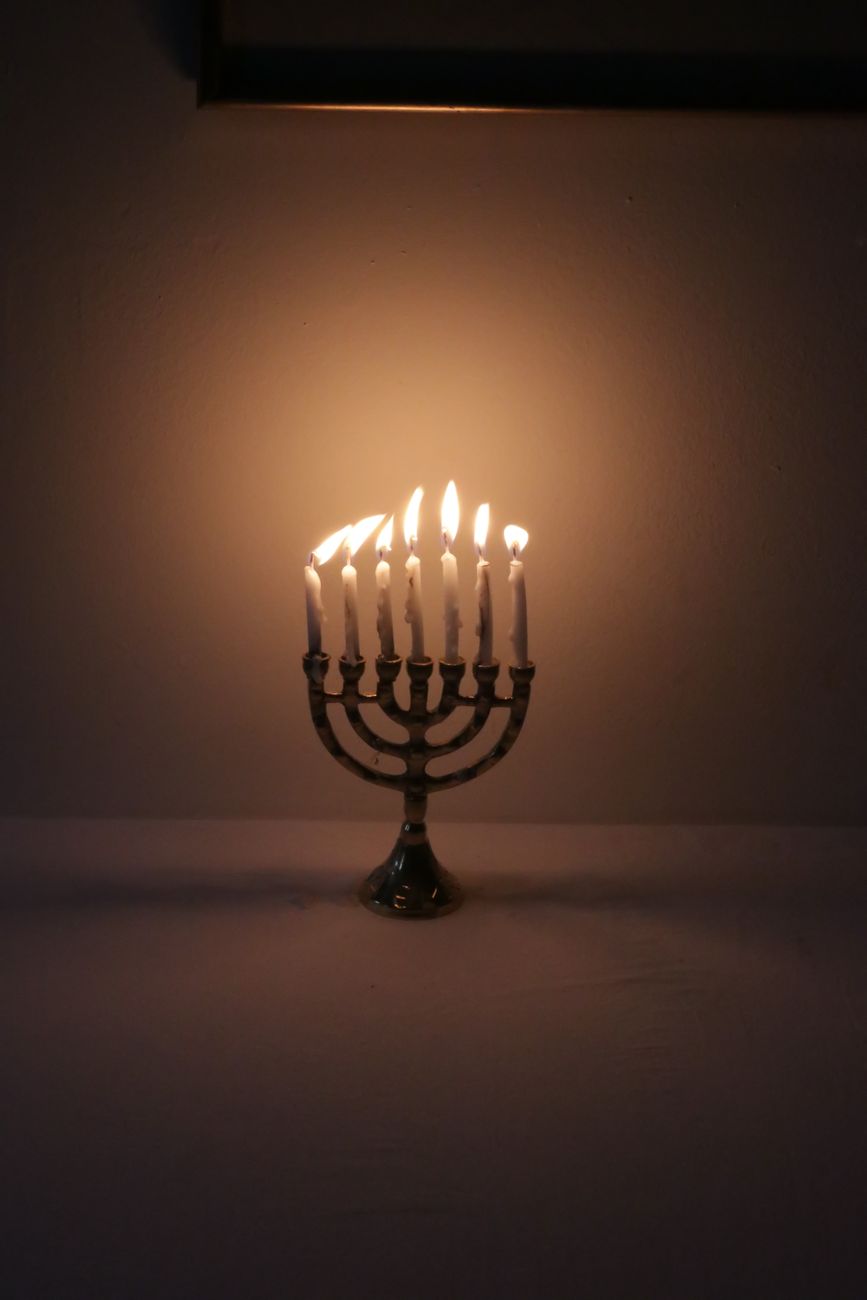
This portion covers some more instructions for the menorah, setting apart the Levites, for observing the Passover if you were unclean at the actual time of Passover, for how Israel followed the Shekinah through the wilderness, instructions for the silver… Continue reading
-
Restitution, Jealousy, Vows, and Blessing
The next portion of Scripture in the reading schedule is Naso (Take), which was read this year on May 23. The Scripture is cited above for your convenience. I suggest you look at the Scripture first before reading my post,… Continue reading
-
Going down to the River
Leviticus 12:1-13:59Haftarah: 2 Kings 4:42-5:19 Leviticus 14:1-15:33Haftarah: 2 Kings 7:3-20 This Torah portion, scheduled for April 18, 2026, covers the laws for cleanliness and purification for women who give birth, for lepers, for diseased objects and homes, and healthy and… Continue reading

-
God’s Everlasting Plan for Israel
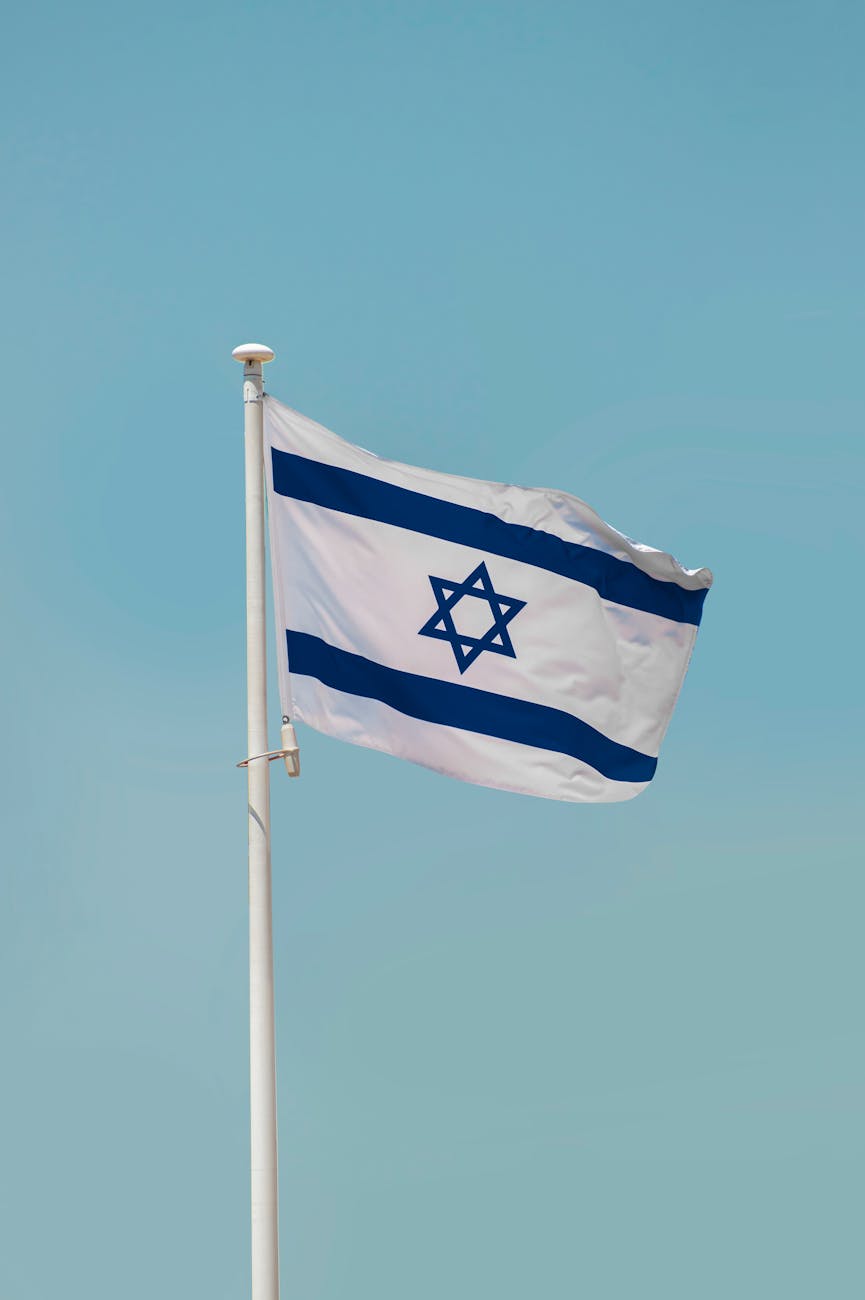
Replacement theology says God has replaced Israel with the Church because they rejected the Messiah, that they are at best just like any other nation. The world apart from church theology says Israel is an evil baby-killing occupier guilty of… Continue reading
-
The Sin Offering and the Guilt Offering He Called for
I think this will be my last post on the Torah portion reading Vayikra, cited above. I really want to address the Haftarah too and how that related to God’s eternal plan for Israel and the world through Messiah, but… Continue reading

-
The Peace Offering He Called for
The Hebrew words translated as peace offering are zevah shelamim (“sacred gift of greeting”). What is the Hebrew greeting? Shalom. What does shalom mean? Peace. This peace is a wholeness of being in body, mind, spirit. The shelamim, translated as… Continue reading

-
The Grain Offering He Called for
Leviticus 2 covers the stipulations of the grain offering (minhah). Minhah basically means “tribute, gift,” harkening more to the offering’s function than its contents. Jesus, who was born in Bethlehem (meaning House of Bread), on the night He was betrayed… Continue reading