haftarah
-
The Pure Order
The Torah portion for February 28, 2026, Tetzaveh (You Are to Order) covers the vestments of the priests, the ordination process, and the altar of incense. The Haftara covers part of the instructions God gave Ezekiel about the future temple.… Continue reading
-
The Light’s Contribution to the World
The Torah portion for February 21, 2026, T’rumah (Contributiuon), concerns the material contribution and instructions for the tabernacle, God’s dwelling place among His people. The Haftarah portion concerns how this tabernacle structure meant for a nomadic people in the wilderness… Continue reading
-
His Rulings Are Upright
This portion begins with various rulings on social situations between people concerning slaves and restitution for losses in various situations, includes the confirming of the covenant between God and Israel, and ends with Moses, Aaron, Aaron’s sons, and 70 elders… Continue reading
-
To Proclaim His Excellencies
First, I want to talk about how the giving of the Ten Commandments at Sinai (Horeb) foreshadows the coming of the Holy Spirit and the second coming of the Messiah in the last days, as well as how the Mosaic… Continue reading

-
After He Had Let Go
This portion takes us through the beginning journey of the Israelites out of Egypt, to the parting of the Red Sea, to the bitter water at Marah, to Elim with twelve springs and seventy palm trees, to the wilderness of… Continue reading
-
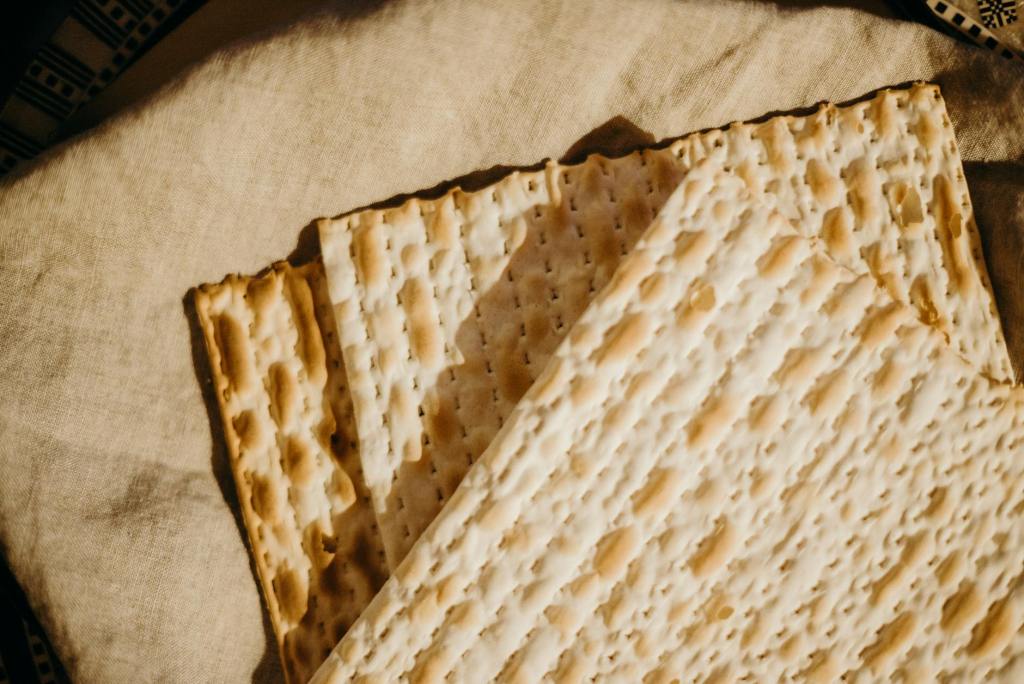
Bo (Go)
This portion is absolutely full this week, so I will have to be selective about what I discuss. It was during the week of this appointed portion that I was born. It includes the last three plagues of Egypt: locusts… Continue reading
-
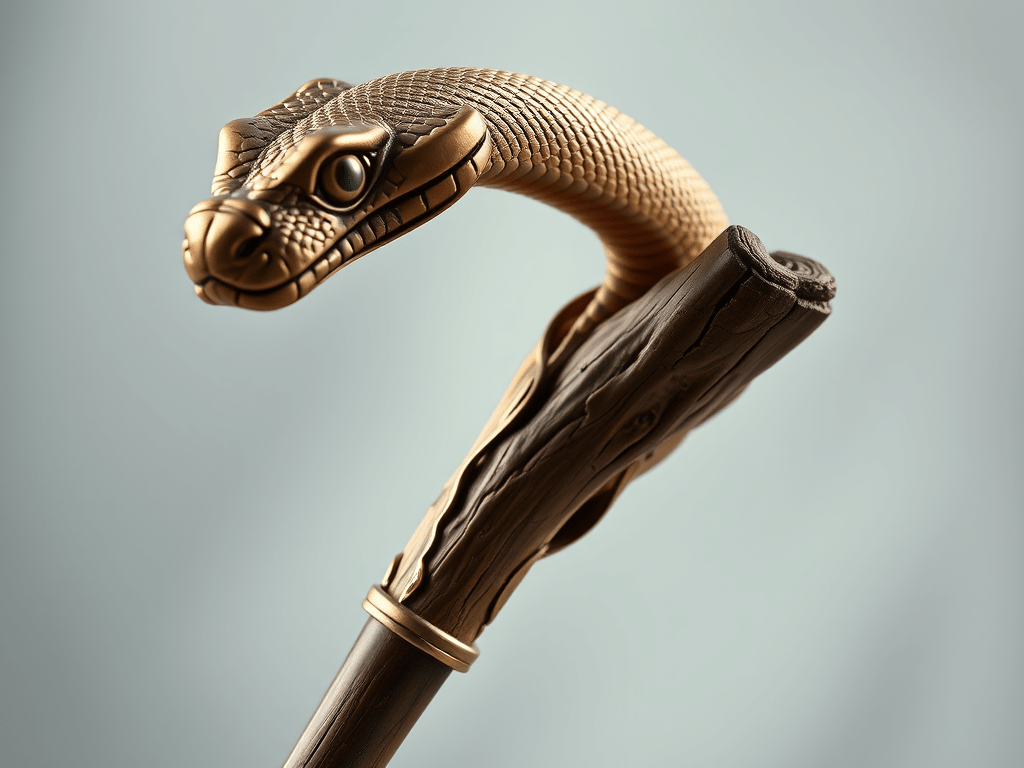
“I Appeared” as the Serpent Lifted Up
This portion of Exodus takes us from God’s imperative on Moses to prophesy to the Hebrews and to Pharaoh, through the initial showdown between Moses and Pharoah’s magicians in Pharoah’s courtroom, and through the first seven plagues on Egypt. Continue reading
-
He Lived: The Lion of the Last Days
I am very excited about this portion because it contains “one of the most widely accepted Messianic prophecies in Judaism” (CJSB, 66). The siddur (Jewish prayer book), the Targum of Onkelos, the Jerusalem Targum, and Rashi (a very notable rabbinic… Continue reading

-
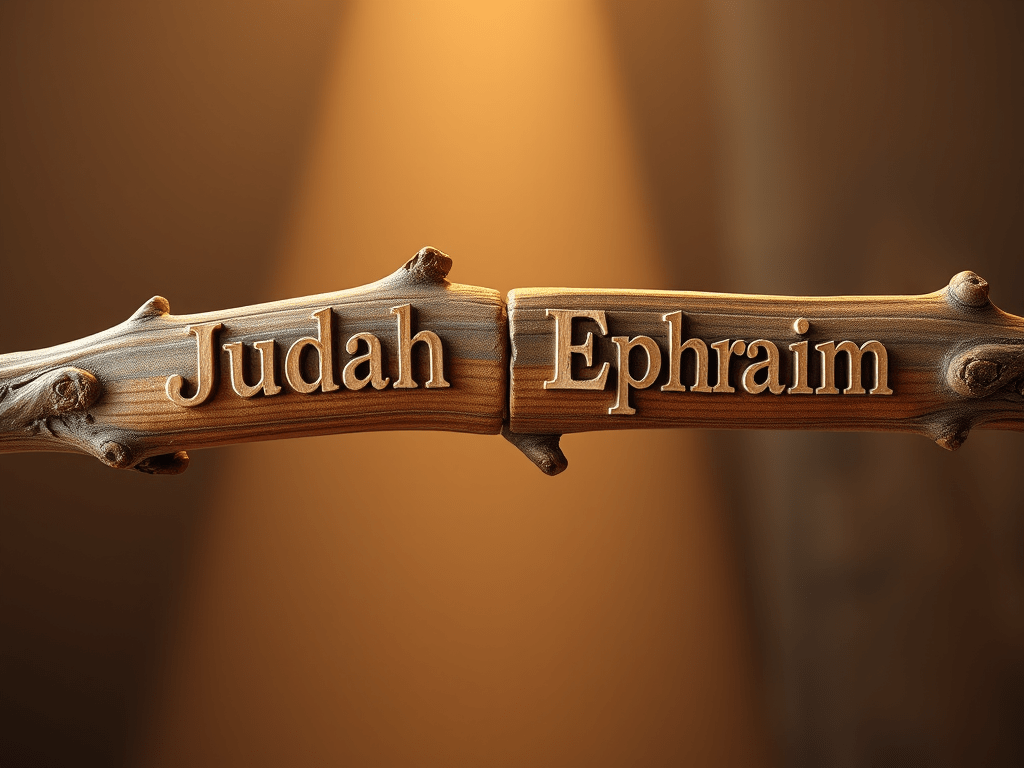
He Approach: to Live Among Us
The sages taught of two different messiahs, Messiah ben Joseph and Messiah ben Judah. This week’s parsha and haftarah reveals the mystery of the two messiahs becoming one and how God used Ezekiel to reveal it. Continue reading
-
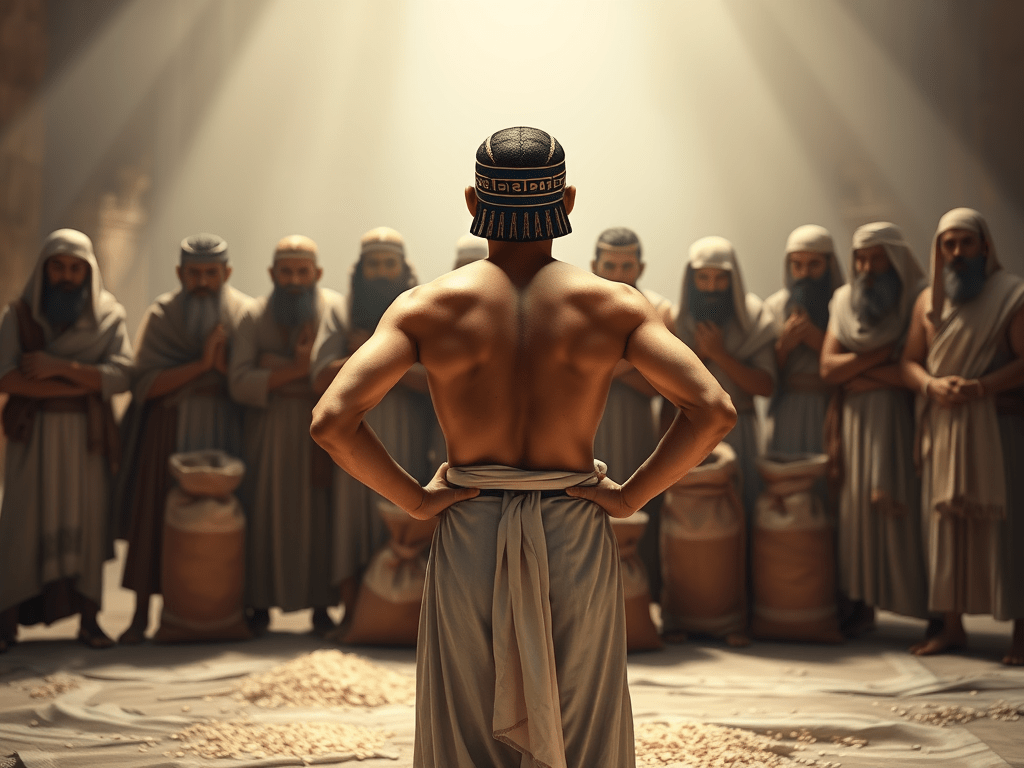
At the End: The Suspense of the Latter Days
This portion begins with Pharoah’s dream and ends with the dramatic climax between Joseph and his brothers, who still didn’t know it was him. Their money they tried to buy grain with had been returned to their bags with their… Continue reading
 Valley Princess